Every workplace that employs people of working age faces the same practical question: how should the organization handle cannabis use by employees? Whether the company operates a construction site, an office, a retail outlet, or a laboratory, managers must balance safety, productivity, legal compliance, and employee privacy. This article walks through the real-world trade-offs, practical policy choices, and implementation details that matter when cannabis, marijuana, hemp, and CBD intersect with work.
Why this matters
Legal status of cannabis varies widely across jurisdictions, but even where adult-use or medical cannabis is lawful, use has implications for performance, safety, and workplace culture. Employers cannot rely on one-size-fits-all guidance. Decisions must reflect the business risk profile, the nature of job tasks, applicable laws, and realistic expectations about what testing can and cannot tell you.
Defining the substances and effects
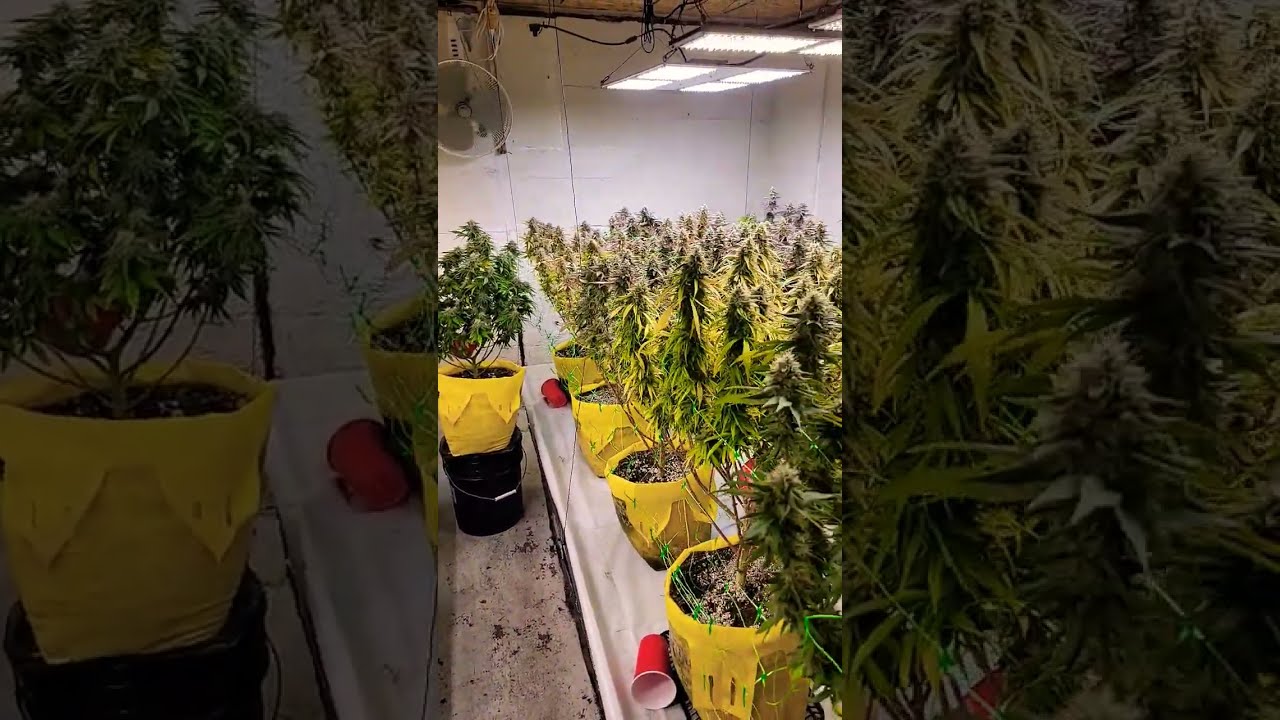
Precision about terms matters. Cannabis and marijuana typically refer to the plant and products that contain delta-9 THC, the primary psychoactive compound. Hemp is a variety legally defined by low THC content, generally 0.3 percent or less in many jurisdictions, and it is the source for many CBD products. CBD, cannabidiol, is non-intoxicating for most users but products can contain variable levels of THC or other cannabinoids. A worker may present with CBD use, hemp-derived THC traces, or a product intentionally formulated for intoxication.
THC impairs reaction time, short-term memory, and divided attention in a dose-dependent way. Acute impairment after inhalation often peaks within 30 to 90 minutes and may resolve within a few hours for many users, though residual cognitive effects can last longer, particularly after high-dose or chronic use. Edibles produce delayed onset and longer duration, complicating assessment of impairment based on timing alone. Unlike alcohol, the relationship between concentration in blood or urine and impairment is not straightforward, so drug testing is a blunt instrument for detecting recent intoxication.
Safety-sensitive work and duty of care
Jobs with safety-sensitive responsibilities change the calculus. Heavy machinery operators, drivers, first responders, and people working at heights create external risk to coworkers and the public. For those roles, employers have a stronger legal and ethical duty to mitigate impairment-related hazards. That duty may justify stricter prohibitions on cannabis use and more targeted testing or observation protocols.
For moderately risky roles—retail, customer service, back-office finance—the primary concerns are productivity, judgment, and brand risks. A pattern of lateness, missed deadlines, or poor customer interactions linked to substance use can be managed through standard performance processes rather than immediate dismissal for off-duty cannabis use, assuming the law protects off-duty conduct.
Legal frameworks and reasonable accommodations
Laws vary by country, state, and municipality. Some jurisdictions protect medical cannabis users and require reasonable workplace accommodations, while others permit employers to enforce zero-tolerance policies. Even where medical accommodation is required, employers are not always required to allow dangerous conduct; an employer can deny accommodation if it would impose an undue hardship or create a direct threat to safety.
When medical cannabis is legitimate, reasonable accommodations might include adjusted schedules, reassignment away from safety-sensitive tasks, or modified duties. Employers should engage in an interactive process rather than reflexive dismissal. Document the analysis: medical certification, reassignment feasibility, potential safety mitigations, and why accommodation would or would not be reasonable.
Testing: capabilities and limits
Common testing methods include urine, saliva, blood, and hair assays. Urine tests detect THC metabolites and are sensitive to past use, not current impairment. Saliva testing is better for recent use but still imperfect, and blood tests can quantify THC concentration though collection is invasive and impractical for routine screening. Hair testing shows long-term use but cannot determine recency.
Clients I advise often expect a simple threshold that separates safe from unsafe. Reality is messier. A positive urine test might indicate cannabis use days or weeks earlier, depending on frequency, body fat, and metabolism. That makes disciplinary action based solely on urine problematic, especially for off-duty consumption that did not affect job performance.
Random testing programs can deter use, but they should be targeted. High-risk industries may justify random testing for safety-sensitive roles. For office-based roles, random testing can harm morale and invite legal challenge where off-duty conduct is protected. Where testing is used, pair it with clear policies about what a positive test means and what steps follow: confirmatory testing, fitness-for-duty evaluation, or a return-to-work plan.
Recognizing impairment on the job
Because testing cannot reliably show impairment in many cases, trained observation remains important. Supervisors should know behavioral indicators: slowed reaction time, inconsistent attention to tasks, memory lapses, glassy eyes or unusually flushed complexion, inappropriate laughter, or poor coordination. But these signs are nonspecific and may indicate fatigue, medication effects, emotional stress, or medical conditions. Use observation as a trigger for having a private conversation and, if necessary, a fitness-for-duty assessment rather than immediate discipline.
When documenting an observed impairment event, note objective details: time, duration, specific unsafe actions, direct impact on work or co-workers, and any witness statements. Avoid conjecture about substances unless the employee admits use or a testing result is available.
Policy design: pragmatic options and trade-offs
A pragmatic cannabis policy starts by stating the organization's safety and productivity expectations, then maps those to rules and processes. For many employers, the following elements form a functional framework.
- Clear statement of prohibited conduct while on duty, on company property, or operating company vehicles. Include language that impairment is not allowed irrespective of whether use was on or off duty. Differentiation of safety-sensitive roles with stricter rules and possible testing regimes. Procedures for reporting suspected impairment, conducting observations, requesting tests, and handling refusals. Confidentiality protections and a defined interactive accommodation process for medical cannabis users. Education for employees and supervisors about impairment signs, policy rationale, and resources for substance use treatment.
One trade-off to acknowledge: a strict zero-tolerance policy that punishes any positive test can deter recruitment in competitive labor markets and may push employees to conceal use rather than seek help. Conversely, a permissive policy that treats cannabis like alcohol outside work hours can raise safety exposure for certain roles. The right balance reflects operational risk, legal obligations, and workforce realities.
Training supervisors and employees
Policies that sit unused are worse than no policy at all. Frontline supervisors need training on how to recognize concerning behavior, how to have nonaccusatory conversations, and the mechanics of calling for a fitness-for-duty evaluation. Practical role-play scenarios help: a supervisor who documents objective facts instead of subjective judgments is more defensible and less likely to escalate a routine performance discussion into a legal battle.
Employee education reduces stigma and clarifies expectations. Teach people when use is prohibited, how CBD or hemp products can cause false positives, and how to request accommodation for medical use. Offer resources for confidential counseling and employee assistance programs. In my experience, companies that normalize https://www.ministryofcannabis.com/feminized-seeds/ help-seeking see faster resolution and less recidivism.
Incident management and return-to-work
When impairment is suspected on the cannabonoids job, prioritize safety: remove the person from safety-sensitive duties and, if necessary, arrange safe transport home. Provide a neutral explanation such as concern for their well-being and safety. Avoid accusatory language that presumes illegal behavior.
After an incident, follow a consistent process: document the event, conduct any agreed testing, engage occupational health or a qualified evaluator, and consider options such as temporary suspension, medical leave, or a return-to-work agreement. Return-to-work plans often include drug-free commitments, randomized follow-up testing if lawful, and access to treatment. Be mindful that punitive approaches can backfire, particularly where medical cannabis is involved or where substance use disorder is a protected disability.
Practical considerations around CBD and hemp products
Many employees using CBD believe it will not affect drug tests, but commercially available products are inconsistently labeled. Cross-contamination, inaccurate dosing, or delta-8 and delta-10 products can result in detectable THC. Employers should educate staff that use of popular CBD products can carry risk of a positive drug test, and that impaired behavior on duty, even if caused by an over-the-counter product, may lead to the same workplace response as other intoxicants.
Risk mitigation can include advising employees to choose products from reputable manufacturers with third-party testing, and to avoid using such products before safety-sensitive shifts. Some organizations specify that hemp-derived products are not a defense to positive testing for THC when job safety is implicated.
Privacy, stigma, and equity
Disciplinary practices around substance use intersect with broader workplace equity issues. Random testing or heavy surveillance can disproportionately affect certain demographic groups and harm trust. Consider whether discipline is consistently applied across substances and contexts. For example, if a comparable on-duty impairment due to alcohol leads to a performance plan rather than termination, ensure similar options exist for cannabis-related cases where legal and safe.
Where medical cannabis is prescribed, ensure confidentiality and limit information sharing to those who need to know. Training managers in stigma reduction improves outcomes for employees struggling with substance use.
Drafting policy language: examples of clear phrasing
Avoid vague prohibitions. Say what you mean: "Employees must not be under the influence of intoxicants, including THC-containing products, while performing job duties, while on company property, or when operating company vehicles." For safety-sensitive roles add: "Use of cannabis within 24 hours of a safety-sensitive shift is prohibited." The 24-hour window is not perfect, but it provides a manageable standard that aligns with many employers' risk tolerance and is easier to explain to staff. Tailor timing based on job risk and local legal guidance.
Quick checklist for managers responding to suspected impairment
- ensure immediate safety, such as moving the employee away from equipment or clients document observable facts, not suppositions, including time-stamped behavior request a private discussion and, if policy allows, a fitness-for-duty evaluation or test arrange safe transportation home if needed, avoid allowing the employee to drive follow up with occupational health and HR for next steps, including accommodation discussions
Record-keeping and data considerations
Keep documentation that supports safety decisions and accommodation determinations. Store medical information and test results in secure, separate personnel records. Track incidents to identify patterns rather than treating every event as singular. Aggregated data can reveal whether an operational problem exists that requires a systemic response, such as adjusting shift schedules or enhancing training.
What to expect in the near term
Regulatory change, evolving product formulations, and shifting public attitudes will continue to influence workplace practices. Expect more litigation around off-duty use and medical accommodations, and more sophisticated testing technologies that target recent use rather than historical metabolites. For now, employers that combine clear policy language, proportional enforcement, trained supervisors, and compassionate accommodation processes reduce risk while maintaining morale.
Final practical note
Policies that are simple in writing but complex in enforcement are often the most useful. State the boundaries, explain the rationale, train the people who must enforce it, and prepare a humane, legally informed response for the messy situations that inevitably arise. That approach protects safety, preserves productivity, and treats employees with the fairness most businesses rely on for long-term success.